


We care about clean air
solutions for indoor air quality
Quick to: advice and product
Air purifier for allergies and hay fever – does it work and what is the best choice?
The EA30 from AXP is the best air purifier for allergies and hay fever, according to a recent test by the well-known and independent institute Intertek. Experts praised the device for its quiet operation and high filter efficiency. In addition, the EA30 is AHAM certified, meaning it meets the strictest international quality and performance standards.
How does an air purifier help against allergies?
An allergy air purifier, such as the EA30, filters and removes polluted and contaminated indoor air. This significantly reduces allergy symptoms like watery eyes, irritated airways, and itching. With a high-quality allergy purifier, you can enjoy a healthier indoor climate and lasting relief from hay fever and other allergic reactions.
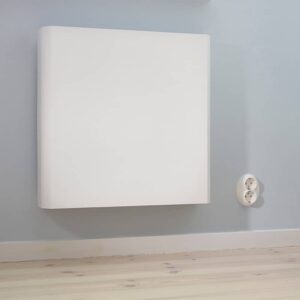
Experiences with allergy air purifiers show that people report fewer allergy symptoms after installing one.
Benefits of an allergy air purifier
An allergy air purifier offers much more than just relief from symptoms. By continuously removing harmful particles and allergens from the air, it creates a healthier and more comfortable living environment. The main benefits include:
- Fewer allergy symptoms: Sneezing, watery eyes, and breathing problems are noticeably reduced.
- Cleaner indoor air: Dust, pet dander, mold spores, and fine particles are filtered out.
- Better sleep quality: Lower pollen levels in the bedroom prevent nighttime discomfort.
- Fresher-smelling home: Unpleasant odors from pets or cooking are eliminated.
- A healthier indoor climate for everyone: Not just for allergy sufferers, but also for children, the elderly, and even pets.
Thanks to these advantages, an allergy air purifier directly contributes to more comfort, better health, and a higher quality of life indoors.
What are the most common indoor allergies?
Indoor allergies affect millions of people and can make everyday life uncomfortable. The most common allergies at home include dust mite allergy, hay fever, dust allergy, pollen allergy, and pet allergy. Many families have at least one member who reacts to pet dander, dust, or seasonal pollen that enters the house.
People suffering from allergies often experience:
- Breathing difficulties or shortness of breath
- Trouble concentrating during the day
- Irritated or inflamed airways
- Recurring headaches
- Watery or itchy eyes
- A blocked or stuffy nose
By understanding the most common allergens in the home and their symptoms, you can take the right steps to create a healthier indoor environment and reduce allergy triggers.
The EA30 air purifier – best buy for allergy relief
If you want to get rid of allergy symptoms quickly, the EA30 air purifier is the best choice. It features a unique HEPA filter with 99.97% efficiency and closed ionization – meaning ionization without any ozone emission. Once in use, the EA30 removes all unhealthy and polluting particles from your indoor air.
This purifier can clean rooms up to 60 m², making it ideal for living rooms, bedrooms, and offices. On top of that, the EA30 is extremely energy-efficient.
User experiences with allergy air purifiers confirm that people report fewer symptoms after installing the EA30.
How does the EA30 work?
The EA30 air purifier tackles household allergens directly and effectively. It filters out pet hair, dander, pollen, and dust mites from the air. In addition, the EA30 also removes unpleasant odors, such as litter box smells or animal cage odors, leaving your home air fresher and more pleasant.
Thanks to its patented closed ionization technology, which produces no ozone emissions, the EA30 is completely safe for children and sensitive individuals, while improving the overall health of everyone in the home.
Using the EA30 is simple: just place the purifier in the right spot, plug it in, and select your preferred setting. From that moment on, the EA30 continuously and reliably cleans your indoor air.
The result? Fewer allergens in your home, a fresher environment, and noticeably reduced allergy symptoms for the whole family.
How do air purifiers help against hay fever?
Air purifiers play a crucial role in reducing pollen indoors thanks to their advanced filtration technology. They act as powerful guardians of air quality and create an effective barrier against allergens.
Many users report a noticeable reduction in hay fever symptoms such as sneezing, itchy eyes, and a blocked nose after regular use.
Which type of filter is best for air purifiers against hay fever?
HEPA filters (High-Efficiency Particulate Air) are specially designed to capture microscopic particles, including pollen. With an efficiency of 99.97% for particles as small as 0.3 microns, they filter pollen out of the air with exceptional effectiveness.
The dense fiber network traps allergens while allowing only clean, fresh air to pass through. Air purifiers equipped with a HEPA filter significantly reduce pollen exposure, helping to relieve hay fever symptoms and improve indoor comfort.
How to get the most out of an air purifier during hay fever season
To maximize the effectiveness of your air purifier against hay fever, follow these practical tips:
- Place it correctly: Position the air purifier where it can work best.
- Use it in the room where you spend the most time: For many people, that’s the bedroom, ensuring cleaner air while you sleep.
- Ensure unobstructed airflow: Keep the purifier’s air circulation free from furniture or other obstacles.
- Keep doors and windows closed: During hay fever season, this limits the inflow of pollen and helps the purifier maintain a clean indoor environment.
- Run it continuously: Let the purifier operate non-stop, especially during peak pollen season. Modern devices are highly energy-efficient, so continuous use won’t significantly impact your electricity bill.
With these steps, your air purifier will work at its full potential, helping you enjoy cleaner indoor air and fewer hay fever symptoms.
By using your air purifier correctly, you’ll enjoy cleaner indoor air and fewer hay fever symptoms, even when pollen levels outdoors are high.
What to look for when buying an air purifier for allergies
A quality allergy air purifier (for hay fever, pollen, or pet dander) should meet a few important requirements:
- HEPA filter: A powerful HEPA filter captures even the smallest particles (down to 0.3 microns), including cat hair, dog hair, and bird dust. It also helps protect pets that are sensitive to pollen and dust mites.
- Placement: For optimal air circulation, position the purifier at breathing height, such as on a table or cabinet.
- Capacity: Choose a model with a maximum coverage area at least 35% larger than the room where you plan to use it.

How quickly do you notice a difference with an allergy air purifier?
Many people wonder how long it takes before an air purifier starts working. In most cases, you’ll notice cleaner indoor air within just a few hours. Allergens such as pollen and dust mites gradually disappear as soon as the purifier runs continuously. For the best results, let the device run day and night, especially during hay fever season or if you have pets at home.
Maintenance and lifespan of your allergy air purifier
An air purifier only performs optimally when the filters are kept clean and in good condition. On average, the HEPA filter should be replaced every 6 to 12 months, depending on usage and the air quality in your home. In cases of intensive use — such as during the pollen season or in a household with pets — the filter should be replaced sooner. Regular maintenance not only ensures continuously healthy indoor air but also extends the lifespan of your air purifier, providing reliable allergy relief over the long term.
Extra tips to reduce allergens at home
An allergy air purifier removes a large portion of allergens, but you can achieve even better results by combining it with a few simple measures:
- Wash bedding weekly at a minimum of 60°C to kill dust mites.
- Keep windows closed on days with high pollen counts.
- Vacuum with a HEPA-filter vacuum cleaner to capture fine dust and allergens.
- Avoid carpets or choose easy-to-clean flooring instead.
Together with a powerful air purifier like the EA30, these steps help you create an almost allergen-free living environment.

Follow us
